I Stopped Buying “Cheap” VPS Hosting. Here’s What I Learned.
I used to be the guy who would hunt for the absolute cheapest VPS I could find.
$2 a month? Sign me up.
But after the third time my database crashed because a “noisy neighbor” on the same server decided to mine crypto, I learned a painful lesson:
You don’t pay for the server. You pay for the stability.
If you are building something that actually matters — whether it’s a business site, a game server, or a personal project you want to show off — you have to look beyond the price tag.
Through years of trial and error (and a lot of downtime), I’ve narrowed down the only three things that actually matter when buying a VPS.
1. CPU: The “Steal” Trap

Most people just look at the core count.
“Oh, 4 vCPUs! That must be fast.”
Not necessarily.
In the VPS world, there’s a hidden metric called CPU Steal Time. It happens when a provider oversells a physical server. You may technically have 4 cores, but if other users are abusing the node, your VM literally waits in line to execute instructions.
My Advice:
- Avoid standard shared vCPUs if you need consistent performance
- Look for providers that guarantee dedicated resources or high-performance instances
The Check:
Run top and look at %st (steal time).
If that number is high, migrate immediately. Your host is choking your performance.
2. RAM: “Swap” Is Not a Strategy

I once tried to run a modern WordPress site with heavy plugins on a 1GB RAM VPS.
It worked… until I had about 50 visitors at the same time.
The server ran out of physical RAM, started swapping to disk, response time collapsed, and finally the OOM Killer terminated my MySQL process.
Reality Check:
- 1GB RAM – OK for static pages or VPN tunnels
- 2GB–4GB RAM – Real minimum for modern apps (Docker, Python, game servers)
RAM is cheap. Downtime is expensive.
Never starve your applications.
3. Location Is Physics (And Routing Matters)
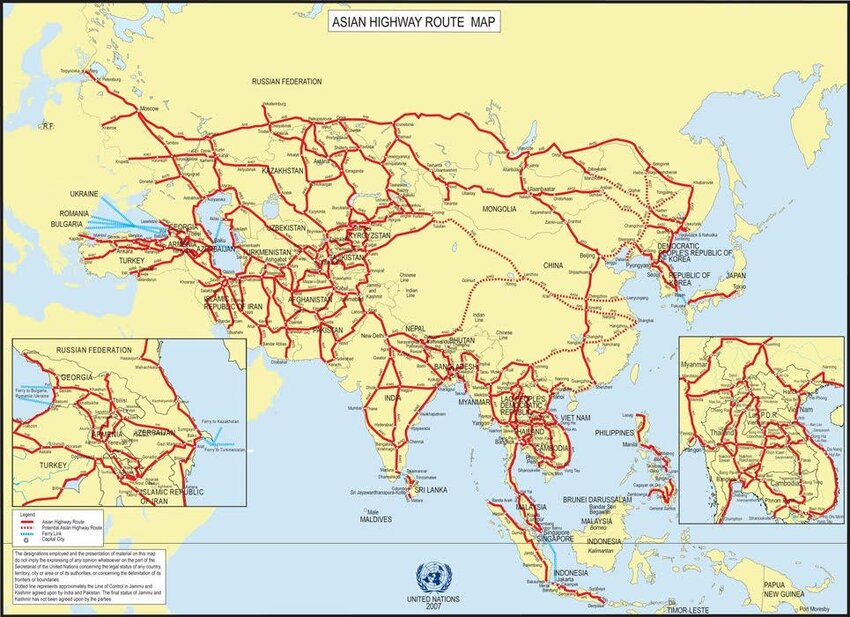
I used to think “US West” was good enough for Asian users.
It’s not.
Light has a speed limit — and bad routing makes it worse.
Cheap hosts use commodity bandwidth, meaning your traffic hops through dozens of congested networks before reaching users.
What Actually Matters:
- Direct ISP peering
- Premium routing (CN2 GIA) for Asia & China traffic
A Los Angeles server with CN2 routing can feel faster than a Singapore server with poor routing.
Routing quality beats geography every time.
My Personal Pick: Why I Settled on RAKsmart
After cycling through half a dozen providers that promised the moon and delivered downtime, I moved my critical projects to RAKsmart.
Here’s why they stuck:
✅ No “Noisy Neighbors”
When I pay for 4 cores, I actually get 4 cores.
CPU steal problems disappeared completely after migrating.
✅ CN2 GIA Routing Options
This was the game changer.
RAKsmart offers CN2-only lines, dramatically lowering latency to Asia without enterprise-cloud pricing.
✅ Flexibility
- Windows or Linux? ✔
- Unlimited traffic options? ✔
- Scale from VPS → Bare Metal? ✔
They don’t lock you into artificial limitations.
Final Thought
If you’re tired of:
- Random slowdowns
- Weekend debugging sessions
- Mystery crashes caused by someone else’s workload
Stop gambling on budget hosts.
Give your project a foundation it deserves.
👉 View RAKsmart’s High-Performance VPS Plans RAKSmart