The $3 Trap: Why VPS Performance Matters More Than Price in 2026
We have all been there. You are scrolling through a forum or a comparison site, and you see it: a Virtual Private Server (VPS) for the price of a cup of coffee. It’s tempting. You think, “It’s just a Linux box, right? How different can it be?”
I used to think that way, too. I’ve burned through countless “bargain bin” servers over the years, hosting everything from personal blogs to game servers for friends. And if there is one lesson I have learned the hard way, it is this: a cheap server is often the most expensive one you will ever own.
In 2026, the demands of the web have changed. Users don’t wait for loading screens. Search engines punish slow sites. Game servers require tick-perfect precision.
Here is why I stopped chasing the lowest price tag and started looking at what’s actually under the hood—and the specific provider I found that actually respects these metrics.
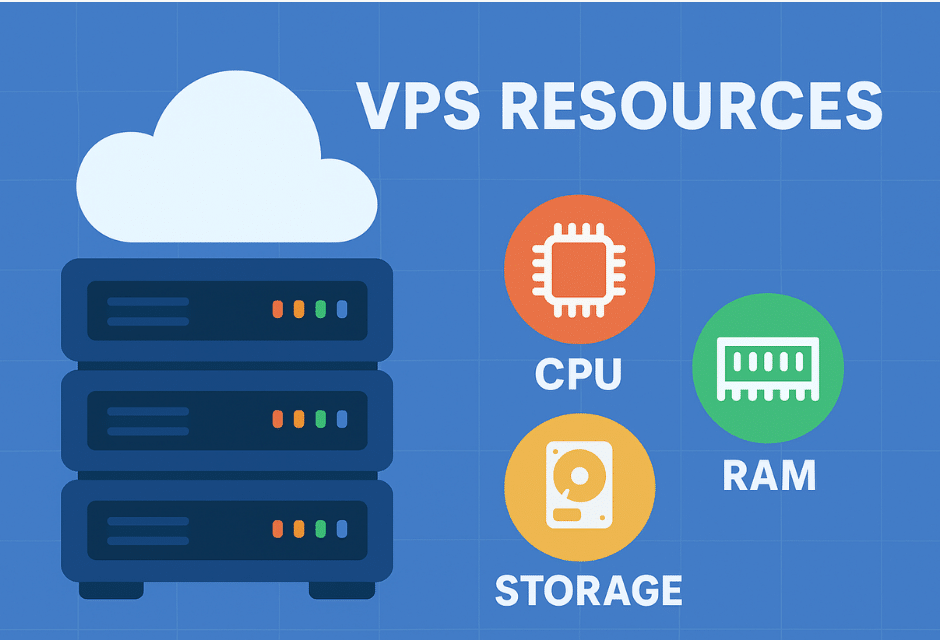
1. CPU Power: The Heartbeat of Your Project
When you see a spec sheet that says “2 vCores,” it tells you almost nothing about the
actual performance. Not all cores are created equal. A budget provider might be running your VPS on hardware that is a decade old. They might give you two cores, but they are tired, slow cores.
The Real-World Impact
· Websites: If you run WordPress or a dynamic app (Node.js, Python), every time a
visitor lands on your page, the CPU has to build that page from scratch. A slow CPU means a longer “Time to First Byte” (TTFB). Your site feels sluggish, no matter how fast your internet is.
· Game Servers: This is where CPU shows its true colors. If the single-core performance is weak, your Minecraft or Rust server will lag when players join or when a lot of action happens.
My advice: Look for providers that advertise “High Frequency” or clearly state their CPU generation. You want raw power, not just a high core count on ancient hardware.
2. NVMe Storage: The Difference Between Walking and Teleporting
A few years ago, the big upgrade was moving from spinning Hard Drives (HDD) to Solid State Drives (SSD). Today, just seeing “SSD” on a spec sheet isn’t enough. You need to look for NVMe.

Why “Standard” SSDs Fall Short
Many budget hosts use older SATA SSDs. While faster than spinning disks, they bottleneck quickly when multiple users on the same server are trying to read/write data at the same time.
The NVMe Advantage
· Boot Times: Servers reboot in seconds, not minutes.
· Database Performance: If your website relies on a database (SQL), NVMe is a game-changer. Queries that used to hang now snap instantly because the drive can handle thousands of Input/Output operations per second (IOPS).
In 2026, if a provider isn’t offering NVMe, they are selling you yesterday’s technology at today’s prices.
3. Network Routing: The Invisible Highway
This is the most overlooked aspect of hosting. You can have the fastest CPU and the best storage, but if the provider has “dirty” routing, your users will suffer.
Think of routing like a commute.
· Clean Routing: Taking the empty expressway directly to your destination.
· Cheap Routing: Taking back roads, getting stuck at lights, and making unnecessary detours (high latency).
Why It Matters
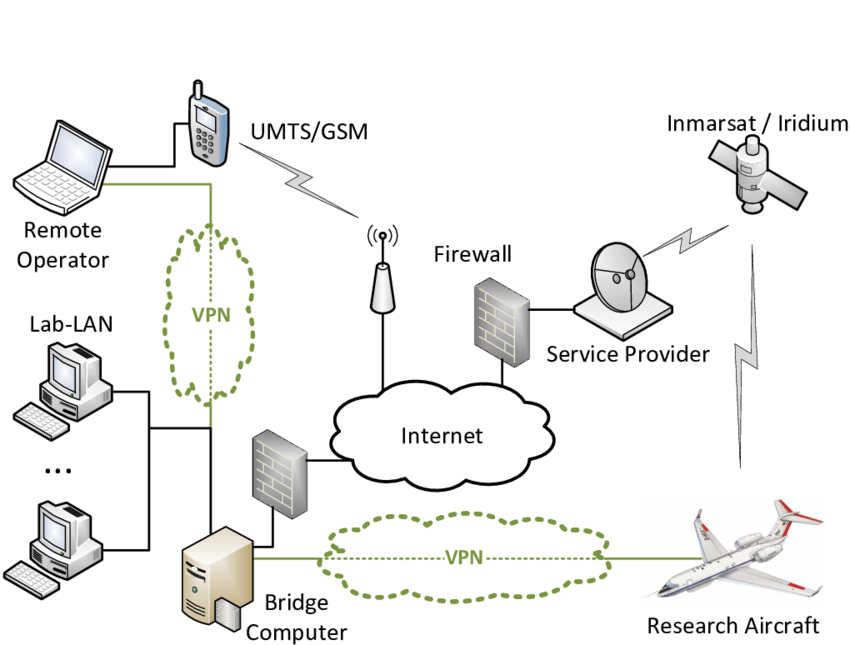
For real-time apps and global audiences, Direct Peering is critical. A premium provider pays for direct connections to major internet hubs (ISPs) and carriers (like PCCW or Tier 1 US carriers). A cheap provider buys the cheapest bandwidth available, bouncing your traffic through multiple intermediate locations before it reaches the user.
4. Stability Under Load: The “Noisy Neighbor” Effect
This is the dirty secret of the cheap VPS industry: Overselling.
To make a profit on a dirt-cheap server, a host has to cram hundreds of customers onto a single physical machine. They assume that not everyone will use their resources at the same time. But when your “neighbor” on the server suddenly gets a massive influx of traffic, your performance tanks.
Quality providers prioritize stability. They limit the number of users on a node to ensure that even during peak times, you get the resources you paid for.
Finding a Provider That Gets It
So, where does that leave us?
After testing dozens of hosts, I realized that the sweet spot isn’t the most expensive “Enterprise” cloud, nor is it the $2 bargain bin. The sweet spot is a provider that owns their infrastructure and prioritizes carrier diversity.
I started looking for a host that specifically addressed the routing and stability issues I mentioned above. That is when I started moving my critical projects to RAKsmart.
What stood out to me wasn’t just the raw specs, but their “International BGP” blend. Instead of relying on a single cheap budget line, they blend multiple Tier 1 carriers. This creates a “self-healing” network where if one route gets congested, your traffic automatically shifts to another.
Here is what their network map actually looks like for the locations that matter:
- The Asian Powerhouses: Tokyo & Hong Kong
If you have users in Asia, you usually struggle with packet loss. RAKsmart fixes this by blending premium regional carriers rather than just using cheap transit.
- Hong Kong Node: This is critical for low-latency access across Southeast Asia. They utilize PCCW Global, which is widely considered the gold standard for connectivity in the region, along with other Tier 1 providers to ensure redundancy.
- Japan (Tokyo) Node: Perfect for gaming and real-time apps. Their Tokyo facility connects directly to major trans-pacific backbones, utilizing carriers like SoftBank and NTT. This keeps your ping green whether your users are in Seoul, Taipei, or Tokyo itself.
- The Western Bridges: Seattle & Frankfurt
- Seattle Server: This is often the best “bridge” location between the US and Asia due to its geographic proximity. RAKsmart’s Seattle datacenter peers directly with massive Tier 1 US carriers like Hurricane Electric (HE) and Cogent. This gives you massive bandwidth capacity for data-heavy projects.
- Frankfurt Node: For European coverage, their Frankfurt location sits right next to the heart of Europe’s internet traffic. It utilizes a blend of Deutsche Telekom and major European exchange peers to ensure your data doesn’t get “hairpinned” through the US or UK unnecessarily.
My Takeaway
In 2026, the best VPS isn’t the cheapest—it’s the one that stays online, loads fast, and connects your users directly via clean, Tier 1 routes.
If you are tired of noisy neighbors and sluggish connections, it might be time to upgrade your infrastructure. I recommend taking a look at the VPS options over at RAKsmart. They manage to hit that perfect balance of high-performance hardware and a serious, carrier-grade network map without breaking the bank.
RAKSmart – High-Performance VPS: Blazing-Fast, Stable Virtualization Solutions. and stop letting your server hold your project back.